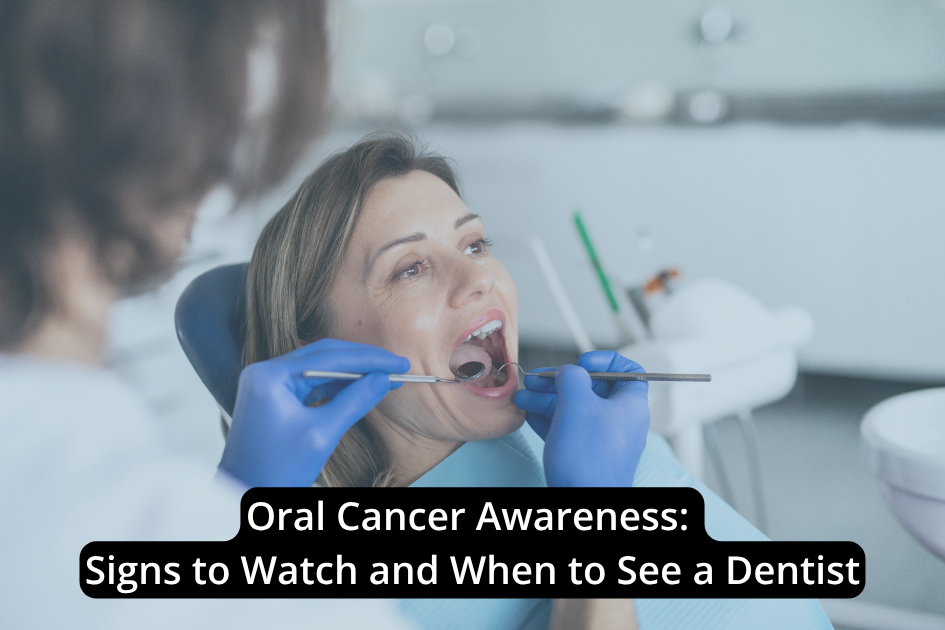
Oral cancer awareness is essential for all of us. By recognizing early signs, like persistent sores or unexplained lumps, we can take proactive steps toward better health. It’s important to understand when to see a dentist and how routine visits can aid in early detection. As we explore these critical aspects, we’ll uncover everyday habits that can greatly impact our oral health and well-being. What might we be overlooking in our daily routines?
What Is Oral Cancer?
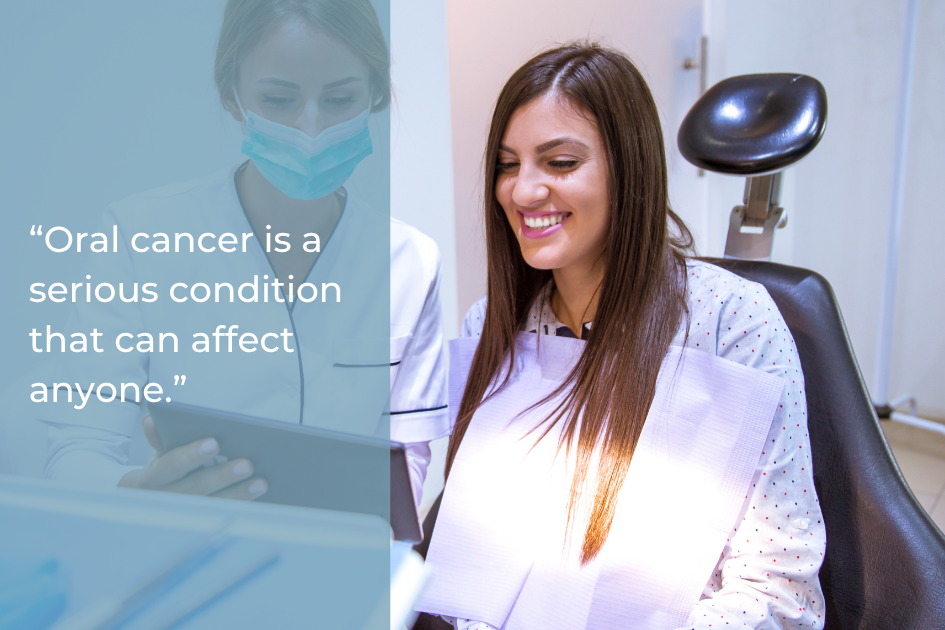
Oral cancer is a serious condition that can affect anyone, but certain factors may increase an individual’s risk. Understanding the signs and symptoms is essential for early detection and effective treatment. Together, we can explore who may be at risk and how to recognize the warning signs.
Understanding Oral Cancer
While many may not realize it, cancer can develop in various parts of the mouth, including the lips, gums, tongue, and inner lining. Understanding oral cancer is essential for early detection and effective management. We should be aware of risk factors such as tobacco use and HPV. Treatment options range from surgery to radiation, tailored to each case. Thankfully, numerous support resources exist for patients and families, offering guidance during this challenging time. Research advancements continually improve outcomes, and survivor stories inspire hope. Together, we can raise awareness and encourage proactive measures for oral health.
Who May Be at Risk?
Understanding who may be at risk for oral cancer is essential in fostering early detection and intervention. We should be aware of several key risk factors:
- Tobacco Use: Smoking and chewing tobacco considerably increase our risk.
- High Risk Behaviors: Excessive alcohol consumption and unprotected oral sex can elevate risk.
- Genetic Predispositions: A family history of cancer may heighten our susceptibility.
- Age Considerations: Individuals over 45 are generally at greater risk.
Early Signs of Oral Cancer to Watch For
As we explore the early signs of oral cancer, it’s essential to recognize visible changes in the mouth and any shifts in sensation or function. We should also be aware of subtle changes that might easily go unnoticed. By staying vigilant, we can take proactive steps toward early detection and treatment.
Visible Changes in the Mouth
When we examine our mouths regularly, we can spot early signs of oral cancer that might otherwise go unnoticed. Paying attention to visible changes is essential for our oral hygiene and overall health. Here are some key signs to watch for:
- Visible lesions that don’t heal
2. Tongue changes, such as color or texture alterations
3. Gum swelling that persists or worsens
4. Persistent lumps in the mouth or neck
Changes in Sensation or Function
Noticing changes in sensation or function within our mouths can be essential for early detection of oral cancer. We should pay attention to any unusual sensation changes, such as numbness or tingling, as these may indicate nerve involvement. Functional alterations, like difficulty swallowing or speaking, can also be critical signs. Increased oral discomfort, whether persistent or intermittent, shouldn’t be ignored. By maintaining our sensory awareness and recognizing these early indicators, we empower ourselves to seek timely dental evaluations. If we notice any concerning symptoms, we should consult our dentist promptly for further assessment and guidance.
Changes That May Be Easy to Ignore
While many symptoms of oral cancer are obvious, some early signs can easily be overlooked. We must stay vigilant and recognize these subtle symptoms to enhance early detection. Here are some overlooked signs to watch for:
- Persistent sores or ulcers in the mouth
- Unexplained lumps or thickening of tissues
- Changes in voice or difficulty swallowing
- Unusual bleeding or numbness in the oral area
When Should You See a Dentist?
When we notice warning signs in our oral health, it’s essential we don’t wait to seek help. Early evaluation can make a significant difference in outcomes, especially when it comes to conditions like oral cancer. Let’s discuss the signs that should prompt a visit to the dentist and why timely action matters.
Warning Signs That Should Not Be Ignored
Recognizing warning signs in our oral health is essential, as early intervention can greatly improve outcomes. We must stay vigilant, especially considering various factors that can affect our well-being. Here are some signs we shouldn’t ignore:
- Persistent sores or lesions in the mouth.
- Unexplained lumps or swelling in the jaw.
- Difficulty swallowing or chewing.
- Changes in oral hygiene habits despite nutritional impact.
Why Early Evaluation Matters
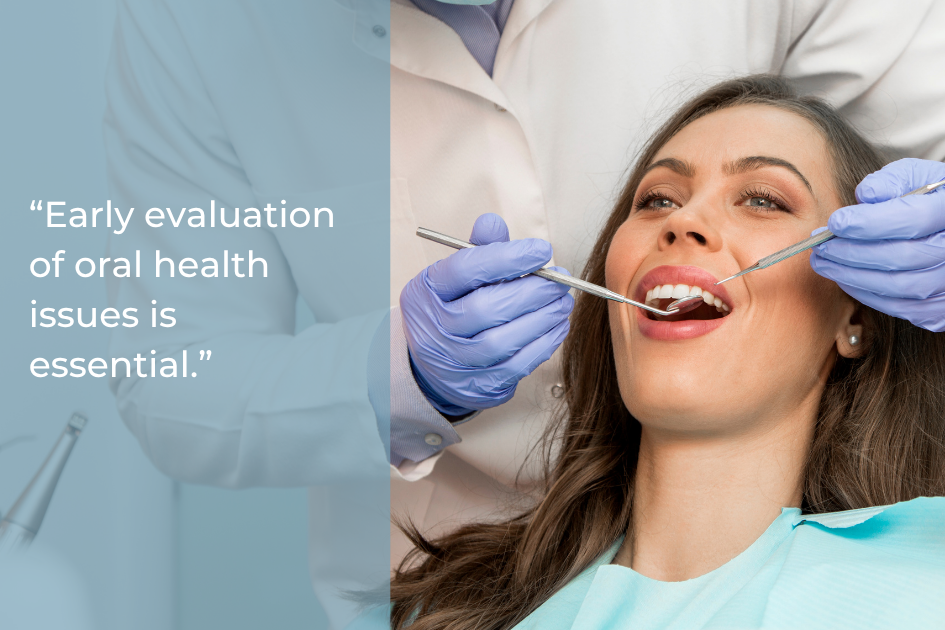
Early evaluation of oral health issues is essential, as timely intervention can greatly enhance treatment outcomes. We recognize the early detection importance in preventing serious conditions like oral cancer. Through patient education initiatives and community outreach programs, we can raise awareness about the signs to watch for. With advancements in dental technology, we’re better equipped to diagnose and treat issues earlier, providing patients with access to support resources available. If we notice any unusual changes, let’s not hesitate to see a dentist. Together, we can prioritize our oral health and guarantee a proactive approach in safeguarding our well-being.
The Role of Routine Dental Visits in Early Detection
During our routine dental visits, we focus on identifying early signs of oral cancer, which can be critical for effective treatment. Consistency in these check-ups allows us to monitor any changes in your oral health and catch potential issues before they escalate. By prioritizing these appointments, we can work together to safeguard your well-being.
What Dentists Look for During Exams
As we sit in the examination chair, our dentist meticulously scans for various signs that could indicate oral health issues, including oral cancer. Utilizing advanced dental technologies, they guarantee a thorough assessment. Here’s what we can expect:
- Oral hygiene evaluation – Checking for plaque, tartar, and gum health.
- Visual inspection – Searching for unusual lesions or discoloration.
- Risk assessment – Discussing personal habits and family history.
- Patient communication – Encouraging questions about treatment options.
Why Consistency Is Key
Routine dental visits play an essential role in identifying potential health issues, including oral cancer, before they become more serious. By prioritizing these appointments, we experience consistency benefits that reinforce our commitment to long-term health. Regular check-ups foster habit formation, making it easier to incorporate preventive measures into our lives. During these visits, dentists can detect early warning signs, ensuring timely intervention. When we make dental care a routine, we not only enhance our oral health but also protect ourselves from more severe conditions. Let’s embrace the importance of consistency in our dental care journey for a healthier future.
Everyday Habits That Support Oral Health
To maintain our oral health, we must prioritize a strong hygiene routine and make informed lifestyle choices. Brushing, flossing, and regular dental check-ups are essential in preventing oral diseases. By adopting these habits, we can greatly support our overall well-being and reduce the risk of serious conditions like oral cancer.
Maintaining a Strong Oral Hygiene Routine
Maintaining strong oral hygiene is essential for preventing oral cancer and other dental issues. By adopting effective habits, we can notably improve our oral health. Here are some key practices to evaluate:
- Flossing Techniques: Use proper methods to remove plaque between teeth.
- Mouthwash Effectiveness: Choose an antibacterial mouthwash to reduce harmful bacteria.
- Dietary Impacts: Limit sugar intake and consume fruits and vegetables to support oral health.
- Smoking Cessation: Quitting smoking decreases the risk of oral cancer.
Additionally, practicing stress management can help us maintain healthier habits, further protecting our smiles.
Lifestyle Choices That Make a Difference
While strong oral hygiene lays the foundation for our dental health, lifestyle choices also play a crucial role in supporting our oral well-being. By making thoughtful lifestyle modifications, we can enhance our oral health. Prioritizing balanced dietary choices rich in fruits and vegetables boosts immunity, while smoking cessation markedly reduces cancer risks. Practicing alcohol moderation helps protect our oral tissues, and implementing stress management techniques can minimize teeth grinding and other harmful habits. Together, these choices empower us to maintain not just our smiles but overall health, greatly lowering the risk of oral cancer and other dental issues.
Common Questions About Oral Cancer
As we explore common questions about oral cancer, it’s essential to understand what we can do to reduce our risk and when to seek help. We often wonder if all mouth sores are serious and how frequently we should get checked. By addressing these concerns, we can empower ourselves with the knowledge needed to prioritize our oral health.
Can Oral Cancer Be Prevented?
Understanding the prevention of oral cancer is vital for maintaining our overall health. By taking proactive steps, we can greatly reduce our risk. Here are four key strategies to keep in mind:
- Oral hygiene: Brush and floss regularly to keep our mouths healthy.
- Dietary choices: Eat a balanced diet rich in fruits and vegetables to support oral health.
- Tobacco cessation: Quitting tobacco products is essential for reducing cancer risks.
- Sun protection: Use lip balm with SPF to protect our lips from harmful UV rays.
Additionally, regular screenings with our dentist can help catch any issues early.
Are All Mouth Sores a Concern?
Mouth sores can be a common occurrence, but not all of them signal a serious issue. We often encounter various types of lesions, from canker sores to cold sores, with different mouth sore triggers. While most are harmless, we should pay attention to persistent sores that don’t heal within two weeks. Dietary influences, like acidic foods, can irritate existing sores, so we need to take into account our nutrition. For pain management strategies, topical treatments and over-the-counter medications can help. Understanding healing timeframes is essential; if a sore lasts too long, we should consult a dentist for further evaluation.
How Often Should You Get Checked?
How frequently should we schedule oral cancer screenings? Regular dental checkups are essential for early detection. Typically, we should aim for screenings every six months, but this can vary based on individual risk factors. Here are some key considerations:
- Dental checkups frequency: Twice a year for most patients.
- Risk factor awareness: Increased frequency for smokers or those with a family history.
- Oral hygiene tips: Maintain good oral hygiene to reduce risks.
- Patient education importance: Stay informed about signs of concern, like persistent sores or lumps.
Let’s prioritize our health and schedule those screenings!
How Prairie Star Dental Supports Your Oral Health
At Prairie Star Dental, we prioritize your oral health through thorough dental exams and tailored preventive care. We believe that patient education is essential, empowering you to make informed decisions about your oral hygiene. Together, we can work towards maintaining a healthy smile and reducing the risks associated with oral cancer.
Comprehensive Dental Exams
Regular thorough dental exams are essential for maintaining ideal oral health and preventing potential issues. At Prairie Star Dental, we prioritize extensive check-ups that include:
- Preventive screenings for oral cancer and other conditions
- Early detection of cavities or gum disease
- Patient education about proper oral hygiene practices
- Customized treatment plans tailored to individual needs
Patient Education and Preventive Care
While maintaining ideal oral health can feel overwhelming, we’re here to guide you every step of the way at Prairie Star Dental. Our focus on patient empowerment helps you understand risk factors associated with oral cancer. We provide support resources, including educational materials and workshops, to enhance your knowledge and confidence in managing your oral health. Through community outreach and screening initiatives, we aim to make preventive care accessible to everyone. Together, we can reduce the incidence of oral cancer and promote a healthier community. Your proactive approach, combined with our support, will guarantee a brighter, healthier future for your oral health.
Conclusion
In closing, it’s crucial for us to stay vigilant about oral cancer. Did you know that many people in the U.S. are diagnosed with oral cavity or oropharyngeal cancers each year? This highlights the importance of early detection and regular dental visits. By staying proactive and aware of potential signs, we can better protect our health and improve outcomes. Let’s commit to maintaining our oral health and supporting one another in this important journey.
Ready to take a proactive step for your health? Schedule your next dental exam with Prairie Star Dental in Round Rock, TX, and let our team help you stay informed, aware, and confident in your oral health.