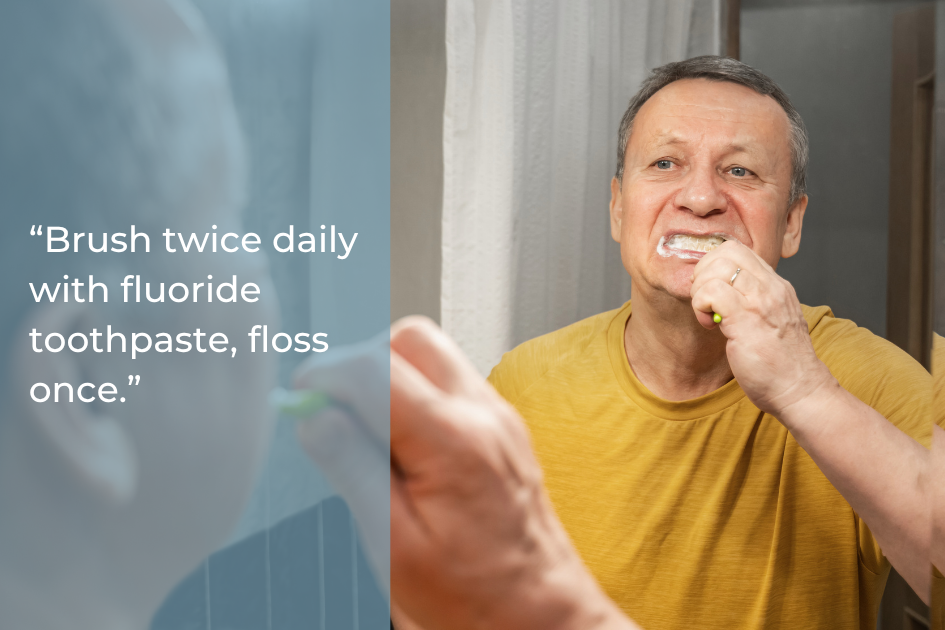
As spring starts, we can treat oral care like seasonal maintenance: brush twice daily with fluoride toothpaste, floss once, and replace our toothbrush if it’s worn or more than 3 months old. We’ll also want to adjust snacks and drinks, since frequent exposure to sugar and acid drives decay. A preventive dental visit can catch early issues before they hurt. Next, we’ll look at spring-specific habits that quietly undermine a healthy smile.
What World Oral Health Day Means for You
Why does World Oral Health Day matter to us? It’s a global reminder that Dental hygiene isn’t cosmetic, it’s preventive medicine. Evidence links Oral health to systemic outcomes: periodontal inflammation correlates with higher cardiometabolic risk, worsened diabetes control, and adverse pregnancy outcomes. That’s why Awareness campaigns focus on daily behaviors that reduce biofilm, gingival bleeding, and caries incidence.
For you, this day works like a clinical checkpoint. We can reassess what you’re doing now and close gaps before the disease progresses. If brushing misses plaque-prone zones or flossing is inconsistent, the solution isn’t willpower alone; it’s Habit formation. We’ll set clear cues, simple tools, and measurable goals so your routine stays effective between visits.
Spring Cleaning for Your Oral Health Routine
World Oral Health Day gives us a yearly checkpoint, and spring is a practical time to act on what we find. Let’s run an oral health checklist and tighten the basics that prevent decay and gum inflammation. Start with toothbrush replacement tips: swap manual brushes every 3 months, sooner if bristles splay, and replace electric heads on schedule. Next, do a flossing technique review, aim for daily, slide gently under the gumline, and use a clean section between each tooth to disrupt plaque. Add targeted rinses: the fluoride rinse benefits include strengthening enamel and lowering cavity risk when used as directed, especially at night. Finally, make daily routine adjustments, set consistent times, keep supplies visible, and track adherence for two weeks.
The Role of Preventive Dental Visits
As we reset our routines in spring, preventive dental visits help us catch disease early and keep small problems from turning into complex, costly treatment. Preventive care combines regular exams, professional cleanings, and diagnostic X-rays when indicated, so we can identify cavities, gum inflammation, and bone changes before symptoms appear. During routine dental checkups, we review your medical history, assess your risk factors, screen for oral cancer, measure periodontal health, and evaluate existing restorations. We then remove plaque and tartar that brushing can’t, polish surfaces, and reinforce daily oral hygiene techniques. Early detection lets us intervene with simpler, conservative options and protects long-term outcomes. Spring’s scheduling window also supports consistent follow-up, timely recalls, and focused patient education tailored to you.
Seasonal Diet Changes That Support Healthy Teeth
When spring schedules shift toward more time outside, we can support enamel and gum health by adjusting what we sip and snack on. Choose seasonal fruits for nutrients, but pair them with meals and rinse with water to reduce acid exposure. Add crunchy vegetables like carrots, celery, and bell peppers; their texture stimulates saliva and helps clear debris. Follow hydration tips: carry a water bottle, sip regularly, and pick fluoridated water when available to support remineralization. As outdoor activity rises, limit sugary drinks, sports drinks, and frequent grazing on sweets that feed plaque bacteria. For picnic snacks, pack cheese, nuts, boiled eggs, and cut veggies instead of sticky candies or crackers. Use smoothie recipes with whole fruit, plain yogurt, and no added sugars.
Addressing Common Dental Concerns in Spring
Although spring feels like a reset, it can bring predictable dental challenges we should address early to prevent small issues from turning into painful ones. Rapid temperature shifts can trigger Tooth sensitivity, so we’ll use a fluoride toothpaste, avoid aggressive brushing, and schedule an exam if pain lingers. Allergy impacts matter too: congestion increases mouth breathing, which worsens Dry mouth and raises cavity risk. We can sip water often, use sugar-free xylitol gum, and consider saline rinses; we’ll avoid sugary lozenges. Antihistamines can also dry tissues, so we’ll time hydration and ask about saliva substitutes. Stress and disrupted sleep can increase Teeth grinding; if we wake with jaw soreness or see wear, we should consider a custom Night guard.
Smile Refresh Options for the New Season
Why not use the new season as a checkpoint for a healthier-looking smile? We can start with an exam to confirm your gums are stable and your enamel can tolerate whitening treatments. Evidence supports supervised whitening for predictable shade change with less sensitivity than overuse of OTC products. If you’ve got small chips, gaps, or worn edges, cosmetic bonding can restore form quickly while preserving tooth structure. For broader color or shape concerns, we’ll review veneer options and explain longevity, risks, and expected maintenance. We should also assess existing fillings or crowns; replacing old dental work can reduce leakage and staining. Even modest updates often deliver a real confidence boost, especially when paired with consistent dental maintenance at home.
Protecting Your Smile During Spring Activities
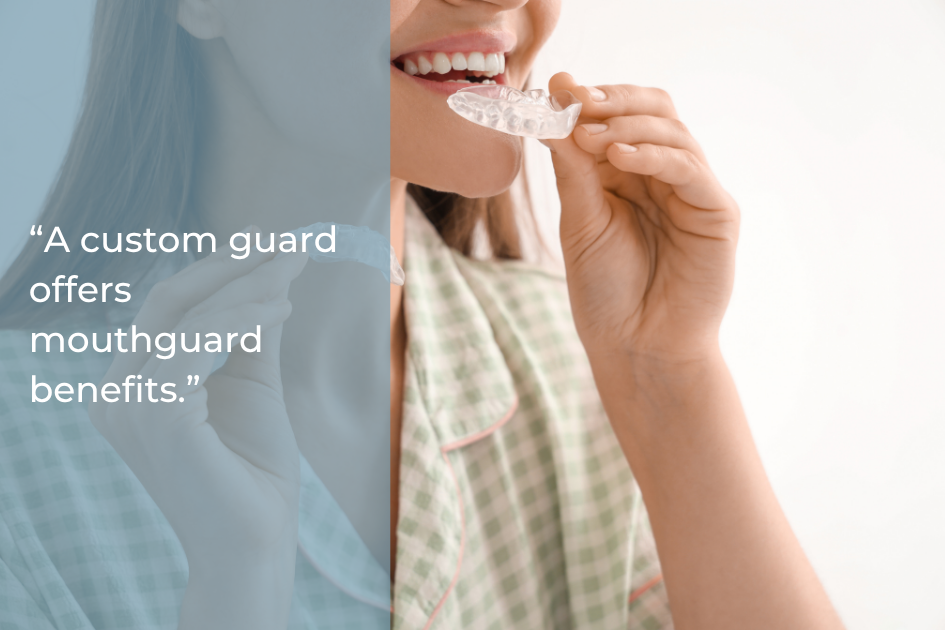
As spring sports and outdoor weekends ramp up, we should protect teeth and jaws the same way we protect knees and ankles, with a properly fitted mouthguard and a clear plan for injuries. A custom guard offers mouthguard benefits: it disperses impact, reduces tooth fractures, and lowers soft-tissue trauma risk, supporting sports safety across baseball, biking, skateboarding, and trail runs. For dental injury prevention, we shouldn’t chew ice, hard snacks, or mouthguard straps during play, and we should use helmets and face shields when indicated. Key outdoor activity tips. If a tooth chips or gets knocked out, our emergency response matters: find the tooth, hold it by the crown, rinse briefly, store it in milk or saliva, and seek professional care immediately. Minutes count.
Building Healthy Habits That Last Beyond Spring
Once spring schedules settle down, we can lock in oral health gains by building a consistent routine and treating prevention like any other long-term habit. We’ll brush twice daily with fluoride toothpaste, clean between teeth once daily, and limit frequent sugary snacks to reduce caries risk. Habit tracking helps: we can mark a simple calendar or app to confirm sessions and spot missed days. Daily reminders on phones or smart speakers keep routines automatic and prompt us to book checkups on time. Family involvement raises adherence. Let’s sync bedtime brushing, model technique, and keep floss visible. We can use fun rewards for streaks, especially for kids, without using candy. With long-term goals, fewer cavities, and healthier gums, we’ll sustain benefits beyond spring.
Conclusion
This spring, we can treat our mouths like a garden: tend them daily, and they’ll thrive. Let’s brush twice a day with fluoride toothpaste, floss daily, and replace worn toothbrushes every three months. We’ll choose crunchy produce, limit sugary drinks and snacks, and support saliva’s protective role. We should schedule preventive dental visits to detect decay and gum disease early. With consistent habits now, we’ll protect our smiles well beyond spring, so start today by setting a reminder to brush and floss, and book your next dental checkup with Prairie Star Dental in Round Rock, TX, this week.