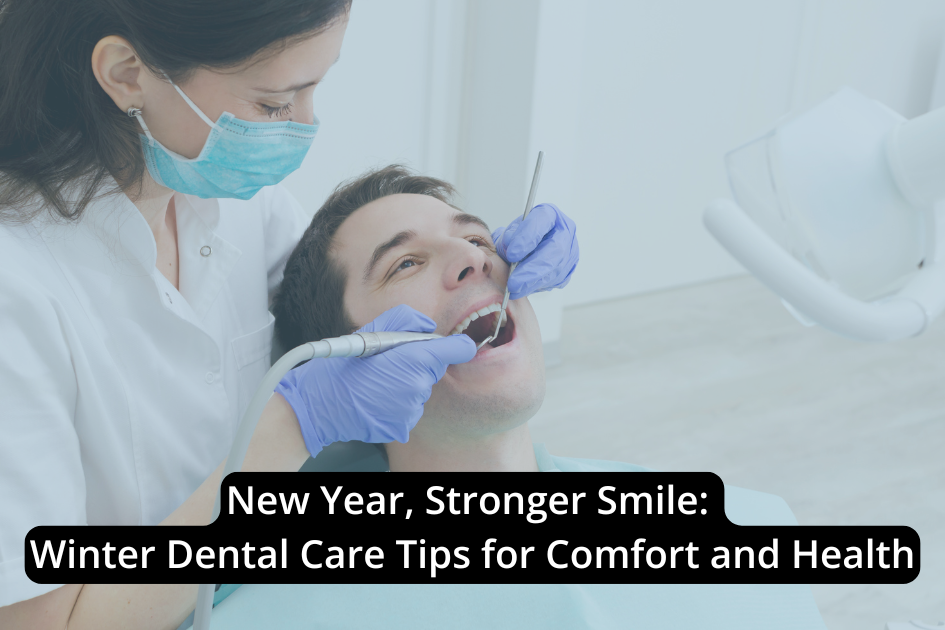
Like a well-insulated coat, a smart winter dental routine shields sensitive enamel and gums from seasonal stress. We’ll focus on fluoride toothpaste, alcohol-free mouthwash, soft-bristle brushes, and correct technique to reduce plaque and pain. Hydration and indoor humidity matter, as do limiting sugars and timing treats with meals. We’ll flag quick fixes for cold-triggered sensitivity, note when to call a dentist, and tailor advice for kids, seniors, and braces, because small changes now can prevent bigger problems next.
Quick Winter Dental Care Wins You Can Use Today
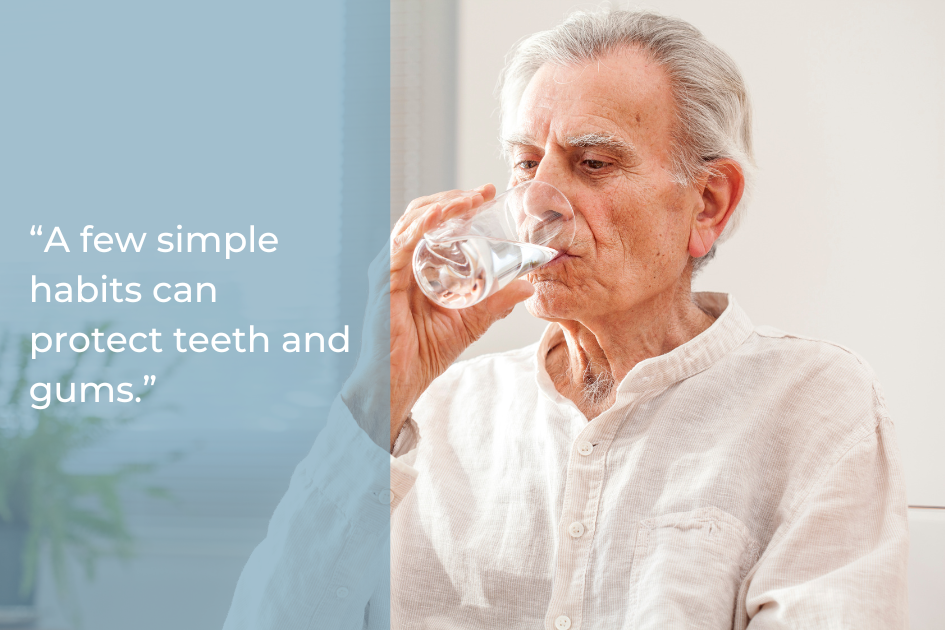
A few simple habits can protect teeth and gums in cold weather starting today. We’ll prioritize evidence-based steps. First, refine flossing techniques: hug the tooth in a C-shape and glide below the gumline once daily. Choose a winter mouthwash with fluoride and alcohol-free formulas to reduce dryness. Limit holiday sweets; pair treats with meals and rinse afterward. Hydrate to counter mouth breathing from seasonal allergies, which can lower saliva and raise caries risk. Brush twice daily with fluoride toothpaste, replace a frayed brush, and wear a mouthguard for winter sports. Store our dentist’s number; prompt evaluation prevents a dental emergency.
Cold-Weather Tooth Sensitivity: Causes and Fast Relief
When cold air or drinks spark a sharp twinge, we’re usually seeing exposed dentin or inflamed pulpal tissues reacting to temperature change. We assess causes: gingival recession, enamel erosion, cracked teeth, whitening, or recent restorations. Fast cold sensitivity remedies include desensitizing toothpaste (potassium nitrate, stannous fluoride), fluoride varnish, and soft-bristle brushing to enhance tooth enamel protection. Avoid acidic snacks; warm, not icy, beverages help. For winter oral hygiene, daily flossing reduces recession risk. Don’t trust winter health myths, alcohol “numbs” pain, or snow “reduces swelling.” Persistent, unilateral pain needs an exam; cracked teeth can escalate. Keep dental emergency preparedness supplies ready.
Hydration and Humidity Tips for Winter Oral Health
Though winter air feels crisp, it’s typically drier and accelerates oral moisture loss, increasing risks for caries, gingival inflammation, halitosis, and mouth-breathing–related sensitivity. To protect oral moisture, we should prioritize hydration benefits: sip water regularly, especially between winter beverages like coffee, tea, or alcohol, which can worsen dry mouth. Aim for indoor humidity levels of 40–50% using a cool-mist humidifier; monitor with a hygrometer. Choose sugar-free xylitol lozenges to stimulate saliva. Opt for fluoride mouthrinses without alcohol. Breathe through the nose when possible. For medications that reduce saliva, we’ll discuss alternatives. Persistent dryness warrants evaluation for underlying conditions.
Winter Oral Routines to Prevent Plaque Buildup
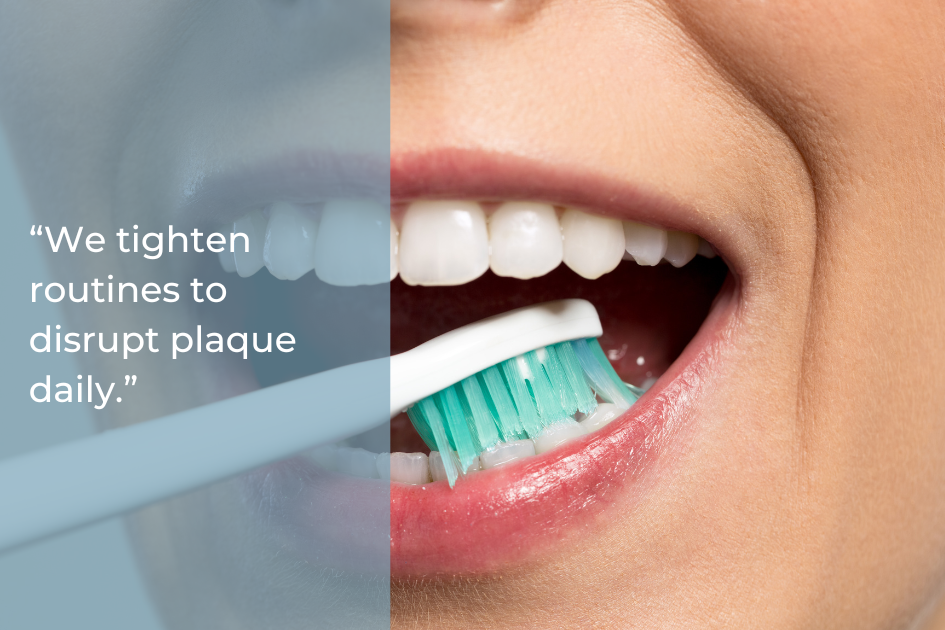
Even as temperatures drop, plaque’s biofilm keeps metabolizing sugars and acids, so we tighten routines to disrupt it daily. We use plaque prevention techniques grounded in evidence: twice-daily, two-minute brushing with a soft brush and fluoride paste. Effective brushing habits include angled bristles at the gumline and short strokes. We stress the importance, once daily, to break up interproximal biofilm that brushes miss. Alcohol-free antiseptic rinses deliver mouthwash benefits by reducing bacterial load without worsening winter dryness. We also review diet impact: limit frequent fermentable carbohydrate exposures and sip water after meals. Finally, we schedule consistent winter cleanings to verify control.
Best Winter Foods and Supplements for Teeth and Gums
Because colder months often mean drier air, reduced sun exposure, and comfort-food cravings, we target foods and supplements that protect enamel, support saliva, and nourish gingival tissues. We choose nutrient-rich snacks like cheese, yogurt, nuts, and fibrous seasonal fruits (pears, apples) to buffer acids and mechanically cleanse. We add vitamin D3 and K2 to support remineralization, and omega-3s for periodontal modulation. Green tea and cocoa-based immune-boosting beverages supply polyphenols that limit bacterial adhesion. We prepare tooth-friendly desserts using natural sweeteners like xylitol or stevia. We prioritize calcium and phosphate intake, and sip fluoridated water to maintain hydration and enamel strength.
Prevent Winter Cracks: Lips, Cheeks, and Gums
As temperatures drop and humidity falls, we see more fissures on lips, angular cheilitis at the mouth corners, chapped cheeks, and gingival irritation from mouth breathing. We recommend lip care strategies: apply petrolatum or ceramide balms with SPF, avoid mentholated flavors, and don’t lick lips. For cheek protection tips, use nonfragranced winter moisturizing products containing glycerin or hyaluronic acid and cover skin outdoors. Prioritize gum health practices: brush gently with a soft brush, use fluoride toothpaste, and rinse with alcohol‑free mouthwash. Add oral hydration techniques: sip water regularly, run a cool‑mist humidifier, and choose sugar‑free xylitol gum to stimulate saliva.
Mouthguards for Winter Sports (and Cold-Air Protection)
While winter sports ramp up, we should treat mouthguards as essential equipment to prevent dental trauma and reduce cold‑air irritation. Evidence shows custom-fit designs cut fracture and laceration risk, improving athletes’ dental health and winter sports safety. Proper mouthguard materials, typically ethylene‑vinyl acetate with layered thickness, absorb impact, stabilize jaws, and preserve airway space for easier cold‑weather breathing.
We recommend a snug fit, full coverage of teeth and gingiva, and vents that warm inhaled air, aiding oral injury prevention and seasonal dental care. Replace distorted guards, clean with non‑abrasive agents, and store dry. Boil‑and‑bite models help, but dentist‑fabricated guards offer superior protection and comfort.
When to See a Dentist for Winter Mouth Pain
Noticing sharp, lingering tooth pain in cold air or with hot and cold drinks signals it’s time to see a dentist. We should evaluate toothache causes such as enamel erosion, cracked teeth, cavities, exposed roots, sinus-related pressure from seasonal allergies, or gum inflammation. If pain wakes us at night, persists beyond 24–48 hours, or follows trauma, it’s a dental emergency. Sensitivity with swelling, fever, or a foul taste suggests infection requiring prompt care. Winter heating can worsen dry mouth, increasing decay risk; we’ll check salivary flow and protective fluoride needs. Timely assessment prevents fractures, abscesses, and avoidable, more complex treatment.
Winter Dental Care for Kids, Seniors, and Bracers Wearers
Cold-sensitive teeth and winter mouth pain often point to different needs across age groups and orthodontic care, so we tailor guidance for kids, seniors, and braces wearers. For kids’ dental hygiene, we emphasize fluoride toothpaste, sealants when indicated, and limiting sugary winter drinks. Senior oral health focuses on dry mouth management, denture fit checks, and root caries prevention with high-fluoride rinses. For Braces maintenance tips, we recommend interdental brushes, wax for irritation, and avoiding hard, cold foods that trigger cold-weather teeth concerns. These Winter dental care essentials reduce sensitivity, protect enamel, and maintain gum health. Seek evaluation for persistent symptoms.
Conclusion
Let’s make winter oral care a daily habit that protects our smiles through every season. With fluoride toothpaste, gentle alcohol-free rinses, soft-bristle brushes, and consistent hydration, we reduce sensitivity, fight plaque, and keep our teeth strong. Pair sweets with meals, floss consistently, and protect lips and gums from dryness with moisturizing balms and humidifiers. If you play winter sports, wear a mouthguard to prevent injury. And if discomfort flares up, don’t wait—early dental visits prevent bigger problems later. These habits are essential for kids, seniors, and anyone with braces or restorations.
Ready to protect your smile this winter? Schedule your checkup at Prairie Star Dental in Round Rock today and ask us about a personalized winter care plan.